
Home / Services / Structural Investigation
Structural Investigation
Cracking, movement, or visible damage to framing, foundations, or load-bearing elements raises real questions about safety and cause. A structural investigation documents the condition and helps determine what’s driving it. Sometimes called a structural inspection, this goes beyond a visual walkthrough — testing and documenting the condition to determine the actual cause.
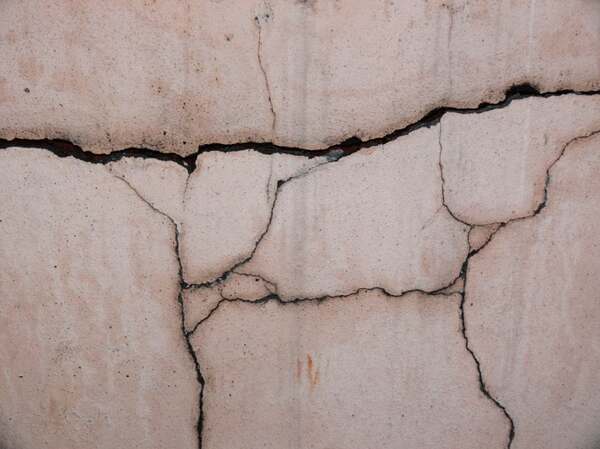
Common signs
- New or widening cracks in foundations or walls
- Doors or windows that no longer close properly
- Sloping or uneven floors
- Visible sagging in framing
- Separation between building elements
- Cracking following a nearby excavation or grading change
Potential causes
- Foundation movement or settlement
- Water intrusion affecting framing or foundation soils
- Age-related material deterioration
- Prior construction or design issues
- Seismic or load-related stress
- Decay or insect damage to wood framing
What we test and document
- Visual structural survey
- Crack monitoring and measurement
- Moisture testing at affected framing or foundations
- Decay assessment
- Photographic and written documentation
What you receive
A written report documenting structural conditions observed, likely cause, and whether further engineering evaluation is warranted.
Investigator vs. contractor
A contractor is often right when the source of a problem is already known. An independent investigation is worth it when the source isn’t clear, a previous repair didn’t work, or you need documentation you can rely on before spending money on repairs.
Common questions
Are all cracks a structural concern?
No — many cracks are cosmetic. An investigation distinguishes cosmetic cracking from movement that needs further evaluation.
Do you provide structural engineering stamps or calculations?
Structural investigation and documentation may identify when a licensed structural engineer’s calculations or stamped plans are the appropriate next step.
Can moisture cause structural problems?
Yes — sustained moisture can lead to decay, corrosion, or soil movement that affects structural elements over time.
Is this the same as a structural inspection?
Similar goal, more depth. A structural inspection is typically a visual assessment; our investigation adds crack monitoring, moisture testing, and documentation to support the finding.
Local considerations
Older Central Coast homes on hillside lots are more prone to foundation movement tied to slope, drainage, and soil moisture conditions.

