
Home / Services / Water Damage & Moisture Investigation
Water Damage & Moisture Investigation
Water damage and ongoing moisture problems don’t always come from an active leak. Investigating the extent of damage and the underlying moisture source protects against repairs that don’t address what’s actually happening inside the building. Often searched as a moisture inspection or mold inspection, this investigation goes further — mapping and testing to find the underlying source, not just the visible symptom.
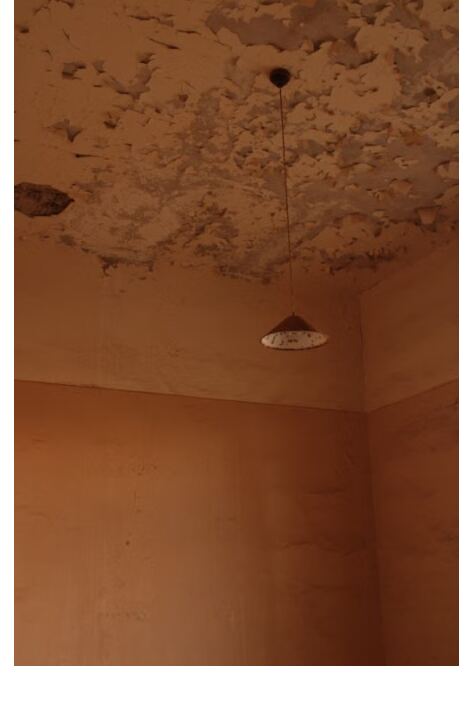
Common signs
- Warped or buckling flooring
- Persistent musty odor
- Visible mold or mildew
- Elevated moisture readings without a known leak
- Damp crawlspace or attic
- Condensation on windows or walls
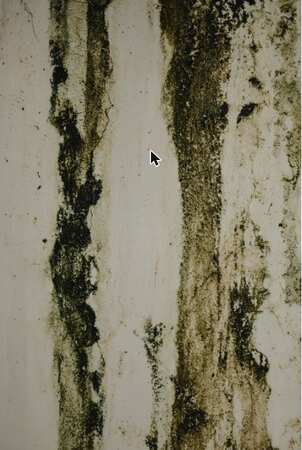
Potential causes
- Poor ventilation
- Plumbing leaks
- Condensation from temperature differentials
- Grade and drainage issues
- Vapor intrusion from soil
- Prior water damage never fully dried
What we test and document
- Moisture mapping across affected areas
- Relative humidity and temperature logging
- Infrared thermography
- Material moisture content testing
- Mold/fungal growth assessment where visible
What you receive
A written report documenting the extent of water damage, moisture conditions, and the likely source, with recommended next steps.
Investigator vs. contractor
A contractor is often right when the source of a problem is already known. An independent investigation is worth it when the source isn’t clear, a previous repair didn’t work, or you need documentation you can rely on before spending money on repairs.
Common questions
Is all water damage caused by a leak?
No — condensation, poor ventilation, and vapor intrusion from soil can all produce water damage without an active leak.
Can you tell how long the moisture has been present?
In many cases, yes — material condition and moisture patterns provide useful indicators, though exact timelines aren’t always determinable.
Do I need this if I already see mold?
Visible mold is a symptom. An investigation identifies the moisture source so remediation addresses more than what is visible.
Is this the same as a mold or moisture inspection?
It includes what a typical moisture inspection covers, plus moisture mapping, humidity logging, and documentation to identify the underlying source rather than just where damage is visible.
Local considerations
Coastal humidity and marine air contribute to condensation and slow-drying conditions that are less common further inland — a factor accounted for in Central Coast investigations.

